

As winter gives way to warmer temperatures in Charlottesville and throughout Central Virginia, spring is the perfect time for homeowners to walk around their property and address small maintenance issues before they turn into larger repairs.
Cold weather, moisture, and seasonal temperature swings can take a toll on homes. Many small problems remain hidden during the winter months and only become visible once warmer weather arrives.
Taking a little time each spring to “walk your beat,” as I call it (excuse the old police jargon coming from this old, retired Charlottesville cop!) and inspect key areas of your home can prevent costly repairs later in the year. Below are several maintenance items Charlottesville homeowners should check as the weather warms up.
⸻
Inspect Your Deck and Railings
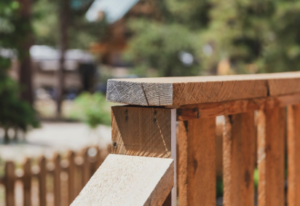 Outdoor decks often reveal winter damage once spring arrives. Freezing temperatures, moisture, and snow can loosen and pop fasteners, shift boards, and expose areas of rot.
Walk across your deck and check for:
- Loose or wobbly railings
- Soft or spongy boards
- Nails or screws backing out (be careful of these, especially underfoot)
- Splitting or cracked boards (careful — splinter warning)
Railings are especially important to inspect because they are a safety feature. Even a small amount of movement can indicate that connections have loosened.
Spring is also a good time to pressure wash the deck and evaluate whether it needs sealing or staining before summer use begins.
⸻
Clean and Check Your Gutters
Gutters often collect leaves, branches, and debris throughout the winter. When gutters become clogged, water can overflow and cause damage to siding, trim, and foundations—including water entering basements!
During a spring inspection, homeowners should:
- Remove leaves and debris
- Confirm downspouts are flowing properly
- Check for sagging gutter sections
- Make sure water drains away from the home
Even small clogs can lead to water backing up during heavy spring rains.
⸻
Look for Exterior Caulking Failures
Exterior caulking is one of the most overlooked maintenance items on a home. Sun exposure and seasonal temperature changes cause caulk to dry out, crack, or separate over time.
Check areas such as:
- Around windows and doors
- Where siding meets trim
- Exterior vent and pipe penetrations
Small cracks in caulking allow water to work its way behind siding and trim. Over time, this can lead to wood rot or interior moisture problems.
Replacing failed caulking early is one of the simplest ways to protect your home.
⸻
Inspect Exterior Trim and Wood Surfaces
Spring is also a good time to examine exterior wood trim, fascia boards, and other exposed wood elements.
Look for:
- Peeling paint
- Soft or spongy wood
- Dark staining or discoloration
- Cracks in trim boards
Moisture from winter weather can accelerate deterioration in damaged areas. Catching these issues early often allows repairs to be made before full replacement becomes necessary.
⸻
Refresh Mulch Before Crocus Season
A simple improvement many homeowners make in early spring is refreshing mulch in garden beds! What an instant curb appeal improvement! Be the envy of your neighbors!
In Central Virginia, crocuses and other early spring bulbs often begin emerging toward the end of winter. Applying mulch before those shoots appear helps suppress weeds, retain soil moisture, and give landscaping a clean, finished look heading into the growing season.
When adding mulch, avoid piling it directly against the base of trees or plants, as this can trap moisture and lead to problems over time.
⸻
Check Outdoor Hose Bibs for Freeze Damage
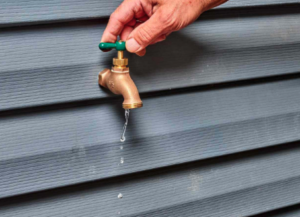 Because we had several very cold periods this past winter, this is an especially important item to check this spring.
Homeowners sometimes forget to disconnect garden hoses before freezing temperatures arrive. When water remains trapped inside the hose and faucet, freezing can cause the hose bib or supply pipe inside the wall to crack.
Signs of freeze damage include:
- Dripping from the faucet when turned on
- Water leaking inside the wall when the hose bib is used
- Reduced water pressure at the faucet
It’s a good idea to turn on each exterior faucet and inspect it carefully the first time you use it in the spring. Catching a cracked hose bib early can prevent hidden water damage inside the wall.
⸻
Test Exterior Electrical GFCI Receptacles
Most exterior electrical outlets are protected by GFCI (Ground Fault Circuit Interrupter) protection to prevent electrical shock.
These outlets can sometimes trip during winter storms or due to moisture.
In the spring, homeowners should check that outdoor outlets are functioning properly by:
- Pressing the TEST button on the outlet
- Pressing the RESET button to restore power
- Confirming power returns to the receptacle
If an outlet will not reset, or if exterior outlets are not protected by GFCI devices, it may be time for repair or upgrade.
Exterior electrical safety is particularly important around decks, patios, and outdoor living areas where extension cords and power tools are often used.
⸻
Check Doors That May Stick With Humidity
Many homeowners notice doors that worked perfectly in winter suddenly begin sticking when spring humidity rises.
Wood naturally absorbs moisture from the air, which can cause doors to swell slightly and rub against the frame.
Common signs include:
- Doors dragging on the floor
- Doors rubbing along the jamb
- Doors that no longer latch easily
Often this can be corrected with hinge adjustments or minor planing of the door edge.
Many of these adjustments are common service calls for a handyman in Charlottesville, especially during seasonal humidity changes.
⸻
Examine Steps, Railings, and Safety Items
Outdoor steps and railings experience constant expansion and contraction during winter.
Homeowners should inspect:
- Porch railings
- Deck railings
- Exterior steps
- Stair handrails
Any movement or looseness should be addressed promptly to prevent safety hazards.
⸻
Common Spring Repairs We See in Charlottesville Homes
In many homes around Charlottesville, spring inspections often uncover several recurring maintenance issues. Some of the most common repairs homeowners address this time of year include:
- Deck board replacement
- Loose deck railings
- Exterior trim repair
- Door adjustments caused by seasonal humidity
- Re-caulking around windows and siding
- Small drywall crack repairs
Addressing these small repairs early helps prevent more serious damage and keeps homes looking well maintained.
⸻
Why Small Repairs Matter
Many major home repairs begin as small maintenance issues that were ignored for too long.
A loose railing becomes a safety issue.
A small crack in exterior caulking allows water into the wall.
A clogged gutter leads to water damage.
Taking time each spring to identify and correct these problems can help protect your home and avoid larger repairs later in the year.
⸻
Spring Maintenance Help in Charlottesville
HandyMike provides professional home repair and maintenance services throughout the Charlottesville area and surrounding communities. From deck repairs and exterior maintenance to drywall repairs, doors, trim, and small carpentry projects, our team helps homeowners keep their homes in great condition year-round.
If your spring maintenance list is growing longer than expected, we’re always happy to help.
⸻
Frequently Asked Questions About Spring Home Maintenance
When should spring home maintenance be done in Charlottesville?
Most homeowners in Charlottesville begin spring home maintenance between late February and early April, once freezing temperatures have mostly passed. This is the ideal time to inspect decks, gutters, exterior trim, and outdoor faucets for winter damage.
⸻
How often should decks be inspected?
Decks should be inspected at least once per year, ideally in the spring. Checking for loose railings, damaged boards, and popped fasteners helps prevent safety issues and extends the life of the deck.
⸻
Why do doors stick when the weather changes?
Seasonal humidity changes cause wood doors and frames to expand slightly. This can make doors rub against the frame or drag on the floor. Small hinge adjustments or minor trimming of the door edge usually resolves the problem.
⸻
What causes drywall cracks above doors?
Drywall cracks above doors are usually caused by normal house movement and seasonal humidity changes. These cracks are common in many homes and can often be repaired with proper drywall taping and finishing.
⸻
Why should outdoor hose bibs be checked in spring?
If a hose was accidentally left attached during freezing weather, water trapped inside the faucet can freeze and crack the pipe or hose bib. Checking outdoor faucets in spring helps catch leaks before they cause hidden water damage inside walls.
⸻
